Skip to content
Patrick Crowley

Lost in America

One of the first entertainment sites on AOL.
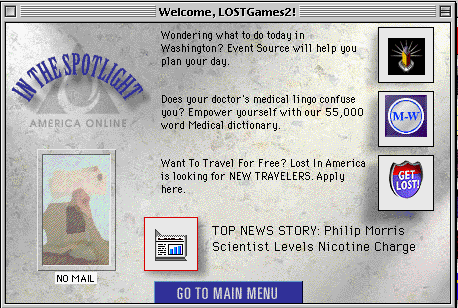
AOL’s welcome screen, with a spotlight item that reads “Want To Travel For Free? Lost In America is looking for NEW TRAVELERS. Apply here.”
Lost in America was featured on AOL’s home screen.
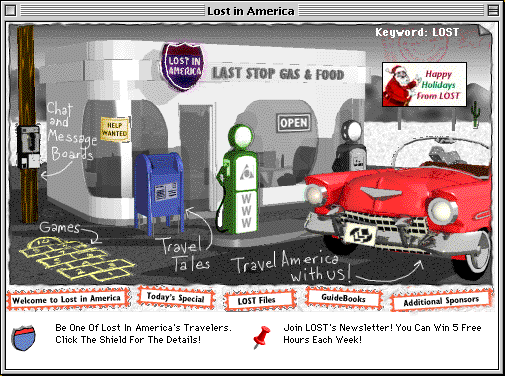
The Lost in America home screen, a 3D roadside diner called Last Stop Gas & Food, with a red convertible and links to chat, message boards, games, and travel tales
The Lost in America home screen, designed to look like an old-timey postcard from the 1950s.
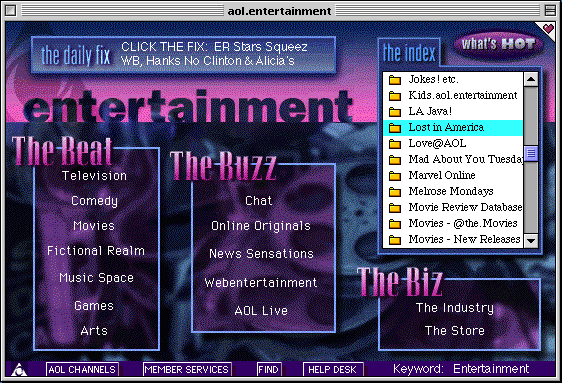
AOL’s entertainment channel, with Lost in America in its list of shows
Lost in America was featured in AOL’s Entertainment section.
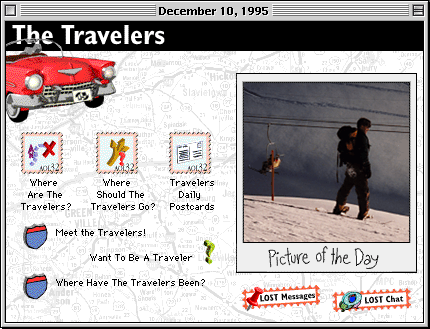
The Travelers screen from December 10, 1995, with a red convertible and a picture of the day
Daily updates from our travelers.
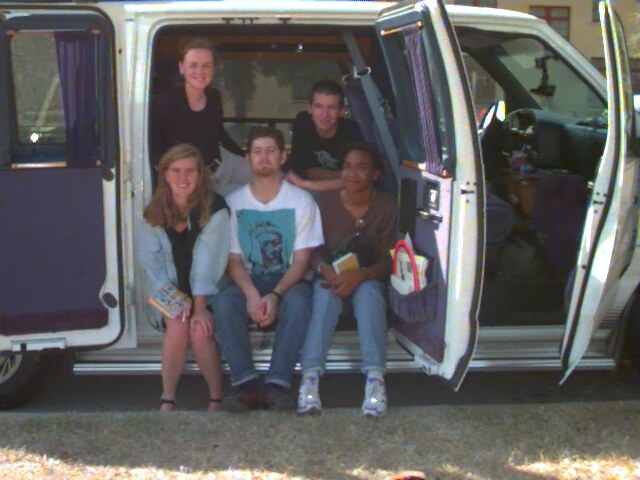
The five Lost in America travelers sitting in the open side door of their van
The five travelers and their van.
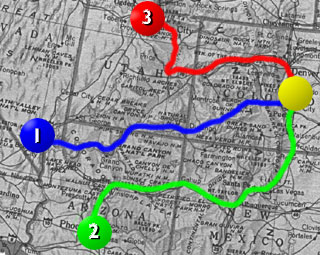
A map of the United States with the travelers’ routes drawn in red, blue, and green
Our audience could choose where to send the travelers next.
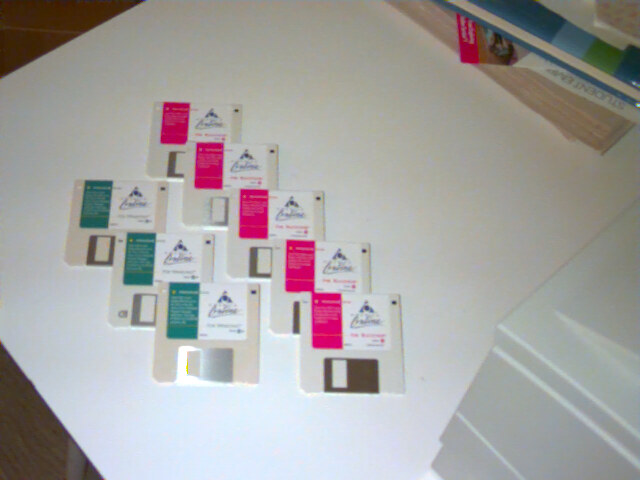
A dozen AOL install floppy disks fanned out on a white table
These were the days of AOL disks. At one point, we had over 2,500 of them.

Lost in America followed five twentysomethings sent across America for three months. It was one of the first entertainment sites on America Online, and one of the first examples of reality-based programming on the web. It was part of AOL’s Greenhouse Project, which also launched the Motley Fool.

I created LOST with Alexander Okuliar and David Shelton, and the three of us moved to Vienna, Virginia, to be close to AOL. It launched on September 7, 1995, as the first group of travelers left Washington, DC. Ted Leonsis, then president of AOL Services, said it “takes cultural risks while exploring new boundaries for the online medium.”

It was a pioneering format. Every day, the travelers posted entries and photos from the road, so we were blogging before blogging even existed. Members rode along from home. They chatted with the travelers every night, swapped tips in guidebooks written by staff and viewers, left messages on the boards, and played games with each other.

As CTO and co-creator, I managed the design of the interface, the brand, and the daily content, and designed the technology behind it all. I supervised a distributed team of thirty remote staffers, supported the five travelers on the road, and set up technical partnerships with Apple and others.

Revolutionary for its time, the home screen was a 3D interface modeled after a roadside diner.
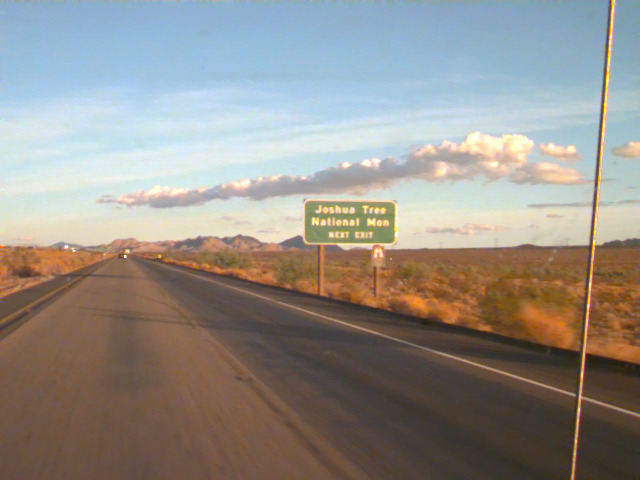
A straight desert road with a sign ahead
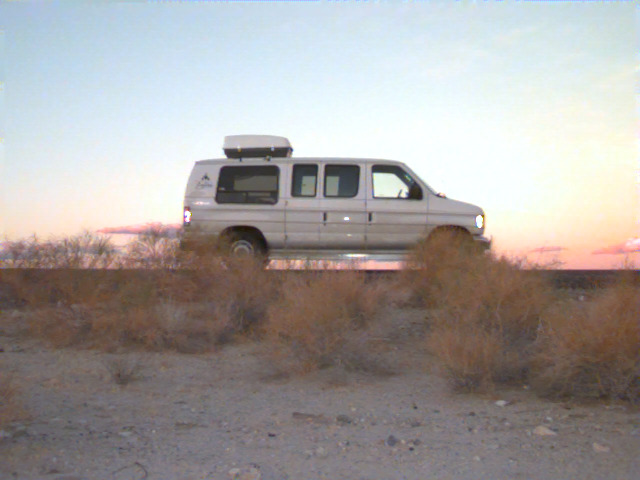
The van parked in the desert at sunset
Sand dunes below a mountain range
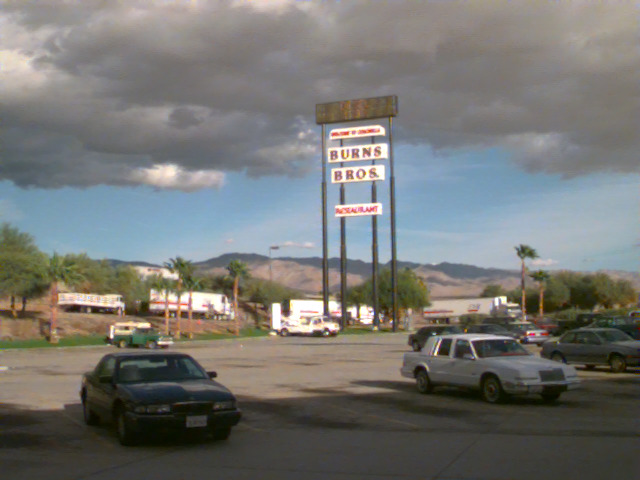
Motel and gas station signs along a highway
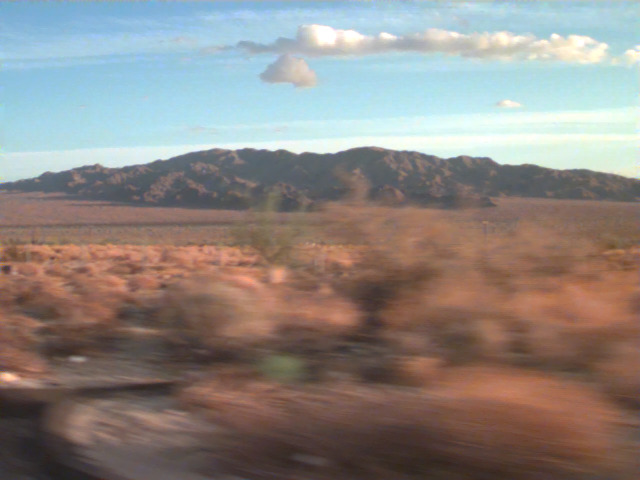
A mountain ridge over the desert
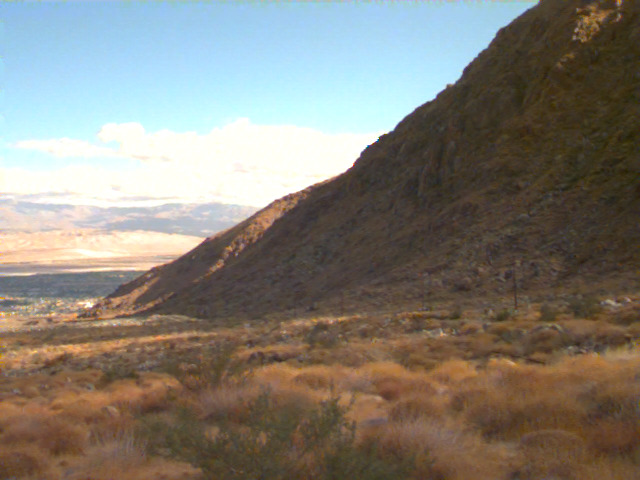
A mountainside above the desert at sunset
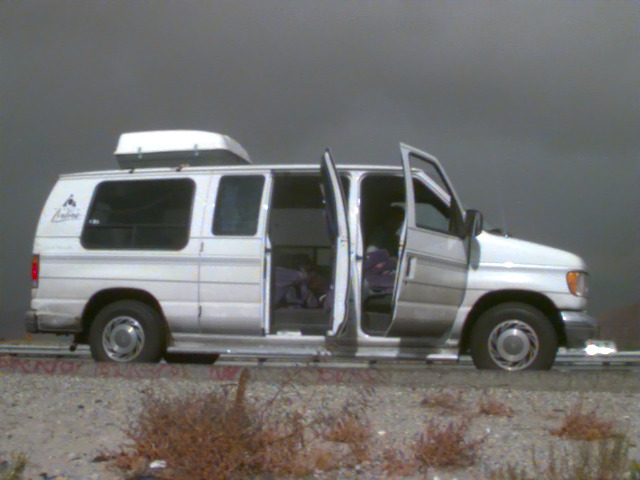
The Lost in America van parked by the road, with its doors open
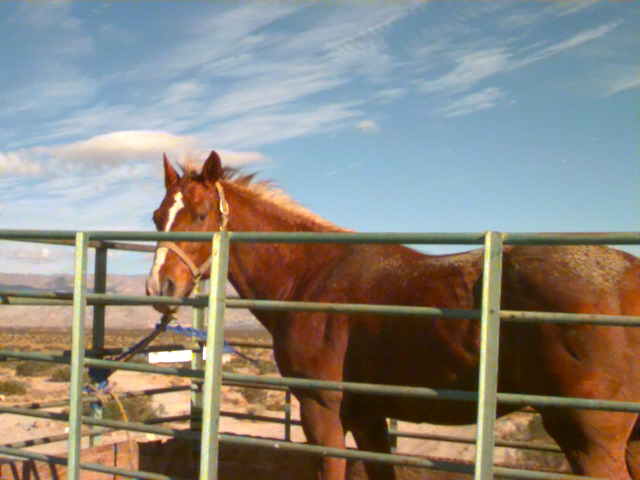
A horse looking over a metal fence
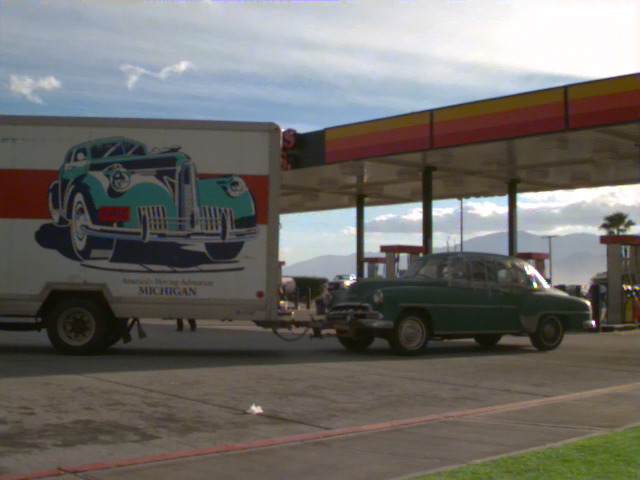
A moving truck and an old car at a gas station
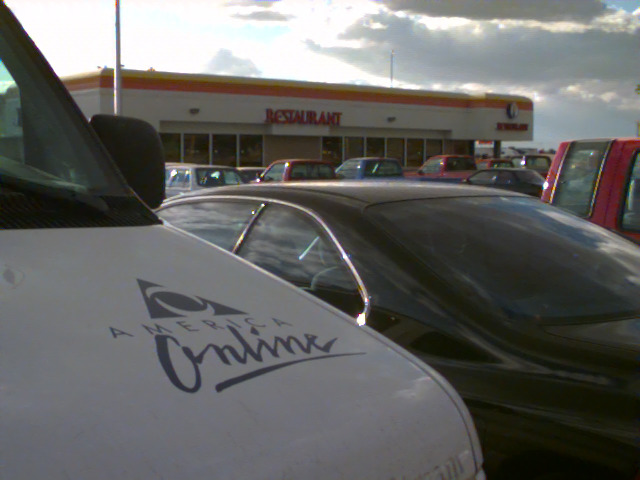
A gas station, with the Lost in America logo on a car’s hood in the foreground
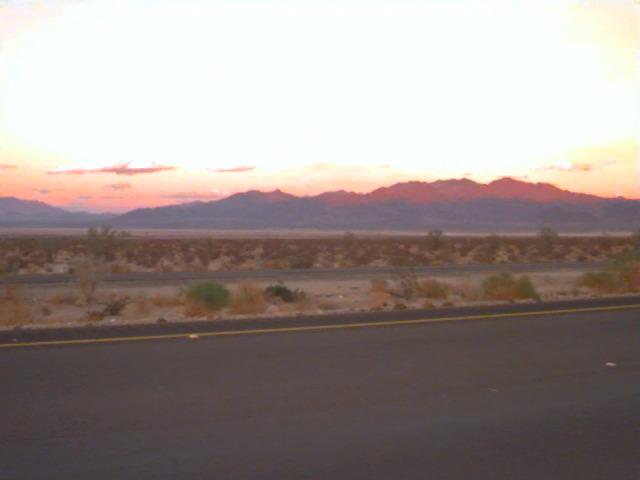
A pink desert sunset
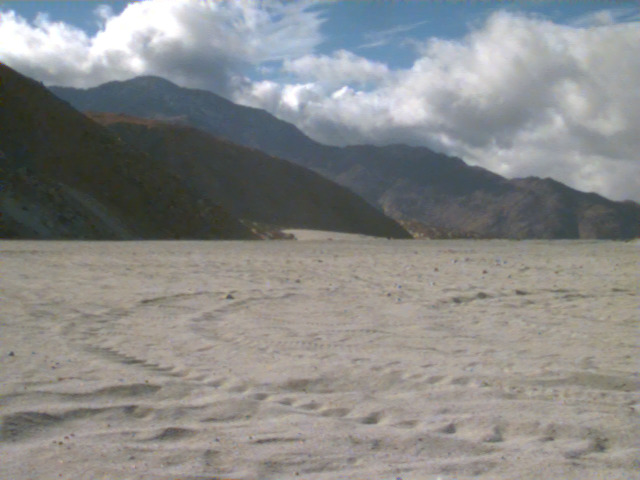
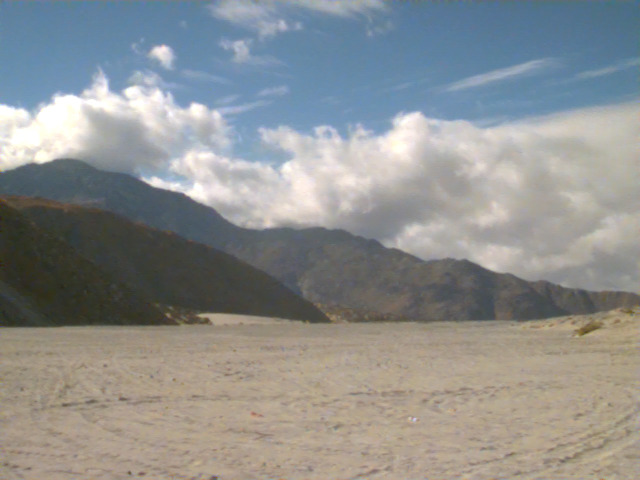
Mountains and clouds over a sandy plain
Mountains on the horizon at dusk
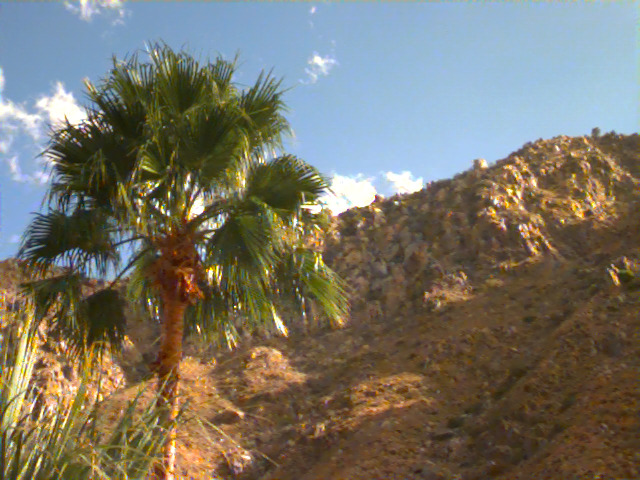
A palm tree against a rocky hillside
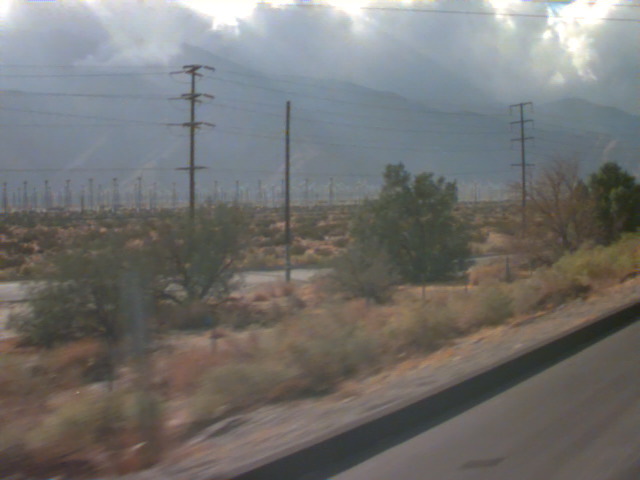
Desert scrub and power lines under a cloudy sky
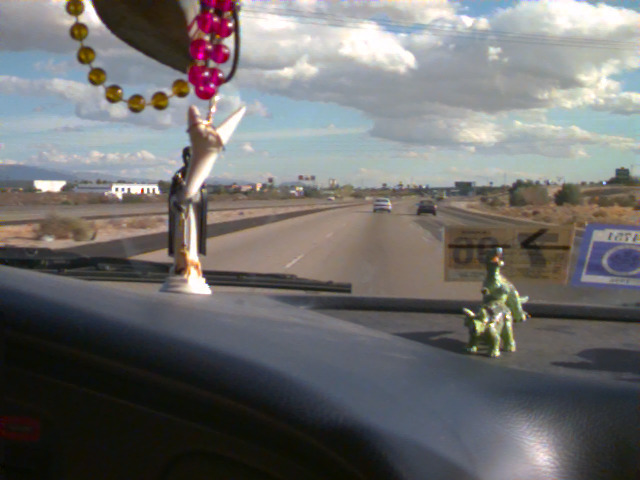
The highway through the windshield, with beads hanging from the mirror and a toy on the dashboard

QuickTake photos from December 1995, taken after the first trip ended, as we headed back to DC.

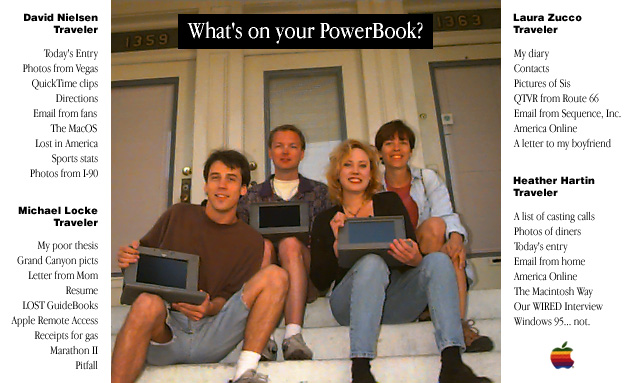
A mockup of an Apple “What’s on your PowerBook?” ad, with four Lost in America travelers on a porch holding PowerBooks, and lists of what each one carried
A mockup of an Apple “What’s on your PowerBook?” ad starring our travelers. Apple partnered with us to provide several QuickTake cameras.